
What does it take to build a 40-year career in engineering, from a teenage apprenticeship with Southern Railways to becoming President of CIBSE?
For Dave Cooper MBE, 2026–27 CIBSE President, it has been a journey shaped by curiosity, continuous learning and a commitment to improving safety and standards across the built environment.
In a recent episode of BESA's Behind The Built Environment podcast, hosted by BESA CEO David Frise, Dave reflected on his career in lift and escalator engineering and explored some of the key challenges facing the industry, from building safety and competence to skills, value engineering and the need to design for the long term.
His Presidential theme, “Future-proofing through resilience”, provided a common thread throughout the conversation.
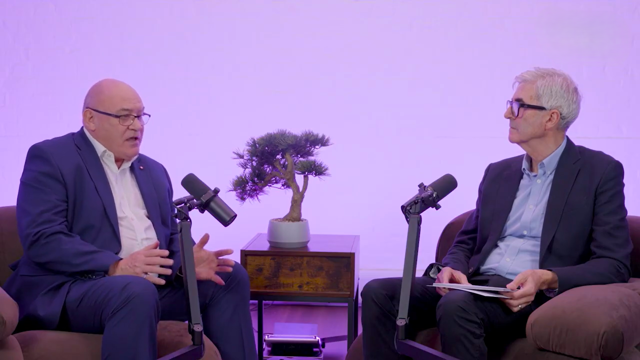
From apprentice to CIBSE President
Dave began his career at 16 as an engineering technical apprentice with Southern Railways. Although he initially wanted to work on trains, his career soon took him into the lift and escalator industry.
He went on to work for what became KONE, became an engineer surveyor with Royal Insurance and later co-founded lift consultancy LECS, where he is now CEO.
Over more than four decades, Dave has worked across lifts, escalators, cable cars and major infrastructure projects. He has also become a leading authority on lift and escalator safety, standards and accident investigation, contributing to numerous standards and editions of CIBSE Guide D – Transportation Systems in Buildings.
His contribution to the profession was recognised with an MBE in 2023 for services to lift and escalator engineering, followed by the British Safety Council's Lifetime Achievement Award in 2026.
Designing for the whole life of a building
Lifts and escalators are systems that many people rarely think about until they stop working. Yet in hospitals, high-rise residential buildings and other complex environments, vertical transportation can be critical to whether a building functions effectively.
Dave's experience has reinforced the importance of considering specialist engineering systems from the earliest stages of design, rather than treating them as components to be fitted into whatever space remains.
The same principle applies to building performance more broadly.
During the podcast, Dave discussed what he has described as an “acceptability of failure” in buildings, the tendency to allow equipment to operate until it fails, rather than taking a proactive approach to maintenance, performance and resilience.
For buildings that may remain in use for 50, 75 or even 100 years, future-proofing requires decisions that look well beyond the immediate project.
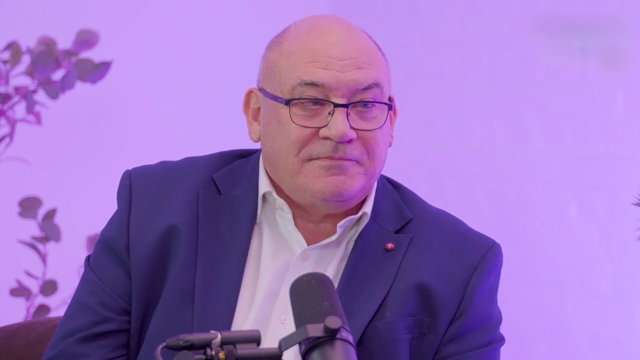
Safety, competence and learning from failure
Safety has been a defining part of Dave's career, particularly through his work investigating accidents and researching escalator safety.
His experience highlights the importance of looking beyond equipment itself when understanding why failures and accidents occur. Design, installation, maintenance, management and human behaviour can all form part of the picture.
This connects directly with the industry's growing focus on competence following the Building Safety Act.
For Dave, competence extends beyond qualifications and technical knowledge. Professional judgement, experience, continuous learning and understanding the limits of one's expertise are also essential to delivering safe and effective buildings.
Future-proofing through resilience
The built environment is changing rapidly. Buildings must respond to evolving technologies, regulations, environmental pressures and changing patterns of use.
For Dave, resilience means designing with that uncertainty in mind.
It also means recognising that resilient buildings depend on resilient professions – with the skills, knowledge and competence required to make sound decisions throughout a building's life.
Dave's own career, beginning with an apprenticeship and developing through engineering, consultancy, research, education and professional leadership, demonstrates the range of opportunities available within the profession.
As current CIBSE President, he is now championing the importance of ensuring the next generation has the skills and opportunities needed to meet the challenges ahead.
Ultimately, future-proofing the built environment is not simply about adopting new technology. It is about designing for the long term, learning from experience, investing in competence and ensuring that engineering decisions continue to serve people throughout the life of a building.
Watch the full conversation with Dave Cooper and David Frise on BESA's Behind The Built Environment podcast below